
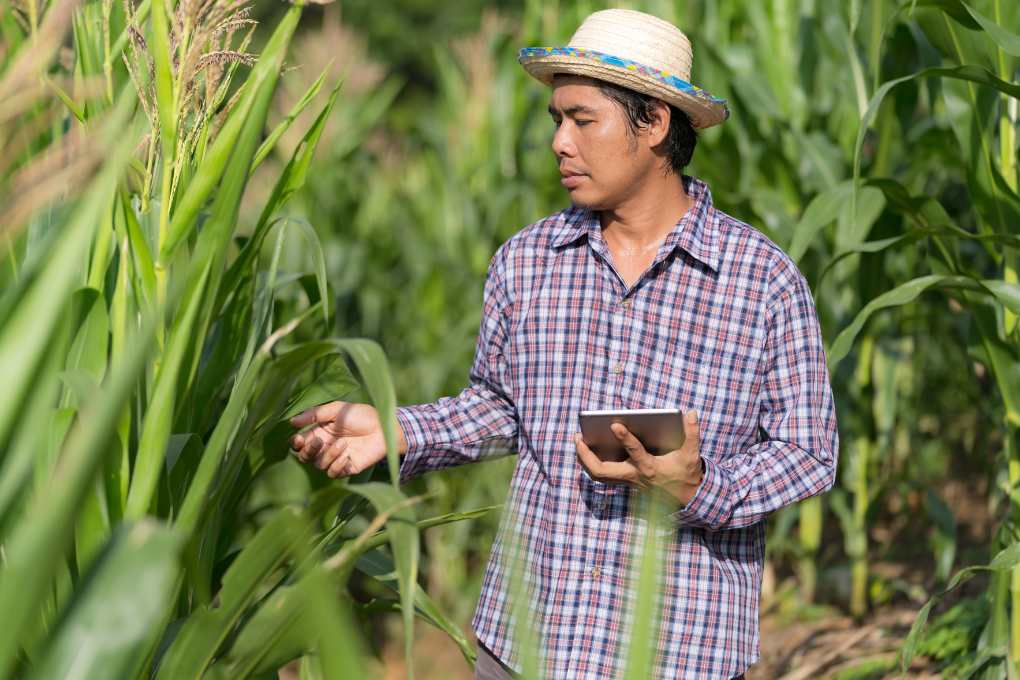
Farming isn’t as simple as it used to be. These days, farmers face all sorts of new challenges because of climate change. Rainfall can be unpredictable, dry spells last longer, and storms seem to hit harder than before. These changes make it tough to grow enough food and keep farms running smoothly. To tackle these problems, more and more people are turning to climate-smart farming—a way of working with nature to help both farmers and the environment.
What Is Climate-Smart Farming?
Climate-smart farming is all about using smart, practical methods to grow food while dealing with the effects of climate change. The idea is to increase the amount of food that farms produce, help farmers adjust to new weather patterns, and cut down on pollution from farming activities. These goals work together to make farming more reliable and better for the planet.
Growing Crops That Can Handle Change
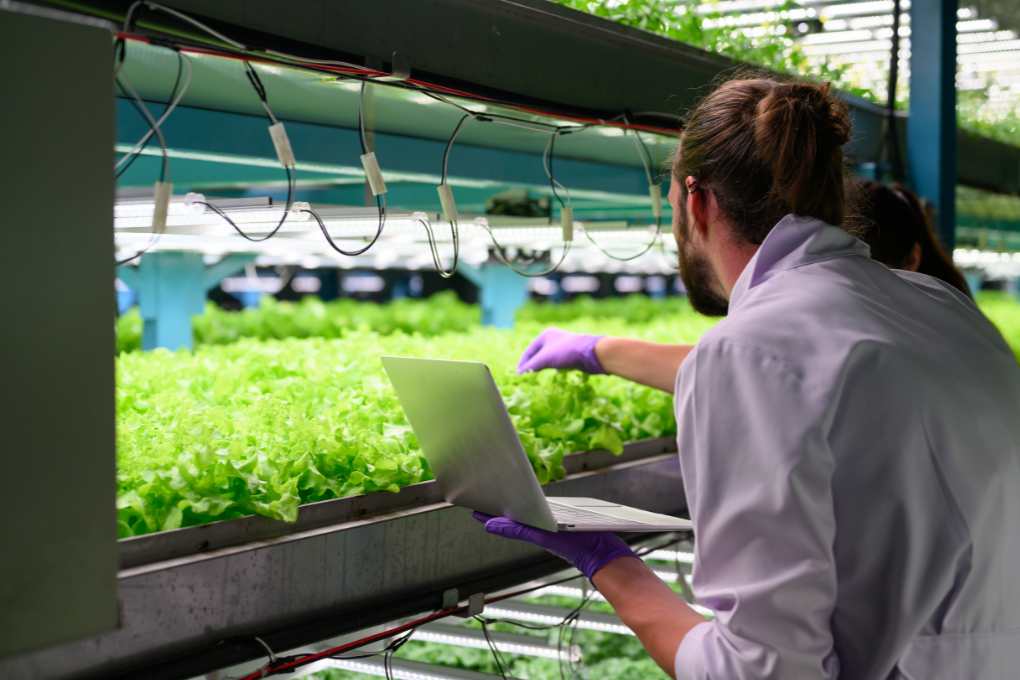
One of the main ways climate-smart farming makes a difference is by encouraging farmers to plant crops that can survive tough conditions. For instance, some kinds of rice or wheat are bred to grow well even when there isn’t much rain or when temperatures are higher than usual. By choosing these stronger crops, farmers have a better chance of getting a good harvest, even during bad weather.
Keeping Soil Healthy
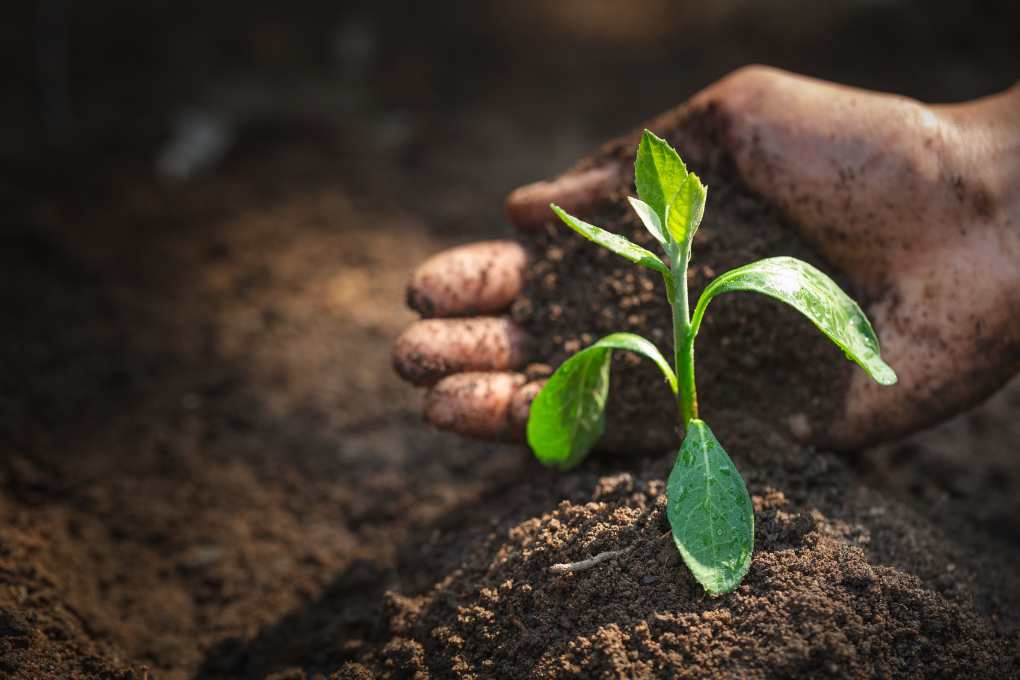
Healthy soil is the foundation of any good farm. Climate-smart farmers take steps to protect and improve their soil. Instead of plowing fields over and over, they might plant cover crops or rotate what they grow each season. These practices help the soil hold onto water and nutrients, which means plants grow stronger and healthier. Good soil also stands up better to heavy rains and droughts, making farms more resilient.
Using Water Wisely
With water becoming scarcer in many places, farmers need to make every drop count. Climate-smart farming includes methods like collecting rainwater and using drip irrigation, which delivers water straight to the roots of plants. These techniques help crops get the moisture they need without wasting water, which is especially important in dry or drought-prone areas.
Cutting Down on Pollution
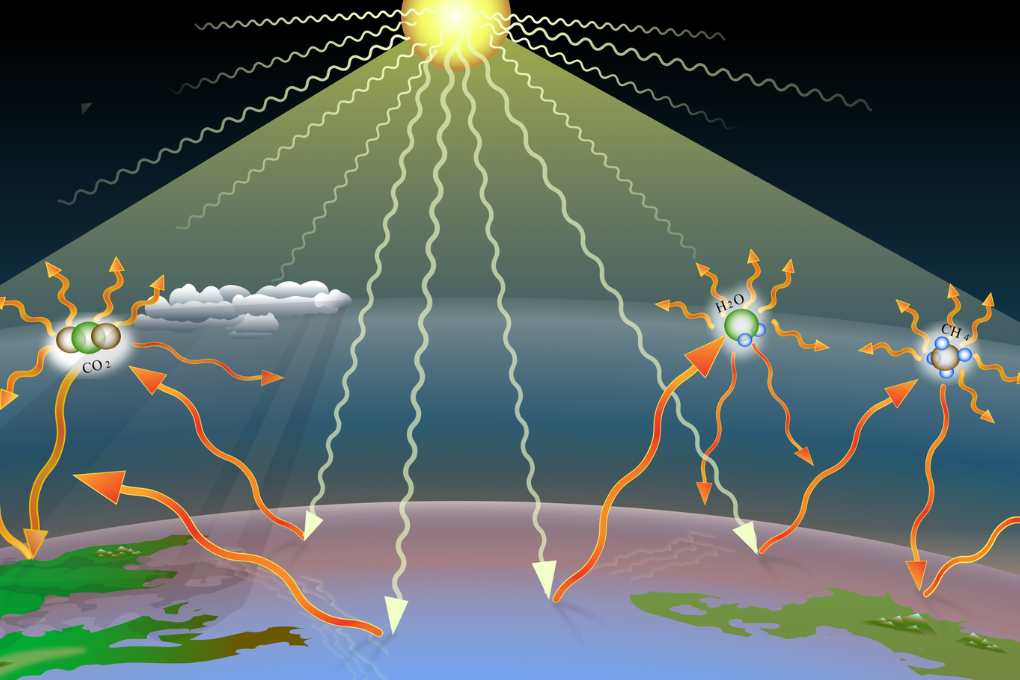
Traditional farming can release a lot of greenhouse gases, which contribute to climate change. Climate-smart farming looks for ways to reduce this pollution. For example, farmers might use less chemical fertilizer, manage animal waste more carefully, or plant trees alongside their crops. This last method, known as agroforestry, not only helps soak up carbon dioxide but also provides shade and extra products like fruit or firewood.
Helping Farmers Make the Switch
Switching to climate-smart farming isn’t always easy. Some farmers need new equipment, better seeds, or training to learn new techniques. That’s why support from governments, scientists, and different organizations is so important. When everyone works together, it’s easier for farmers to get the help they need and make changes that benefit both their farms and the planet.
Climate-smart farming offers hope for the future. By using smart, sustainable methods, farmers can keep growing food even as the climate changes. At the same time, they’re protecting the environment and making sure there will be enough food for generations to come. It’s a win-win for farmers and for the earth we all share.