
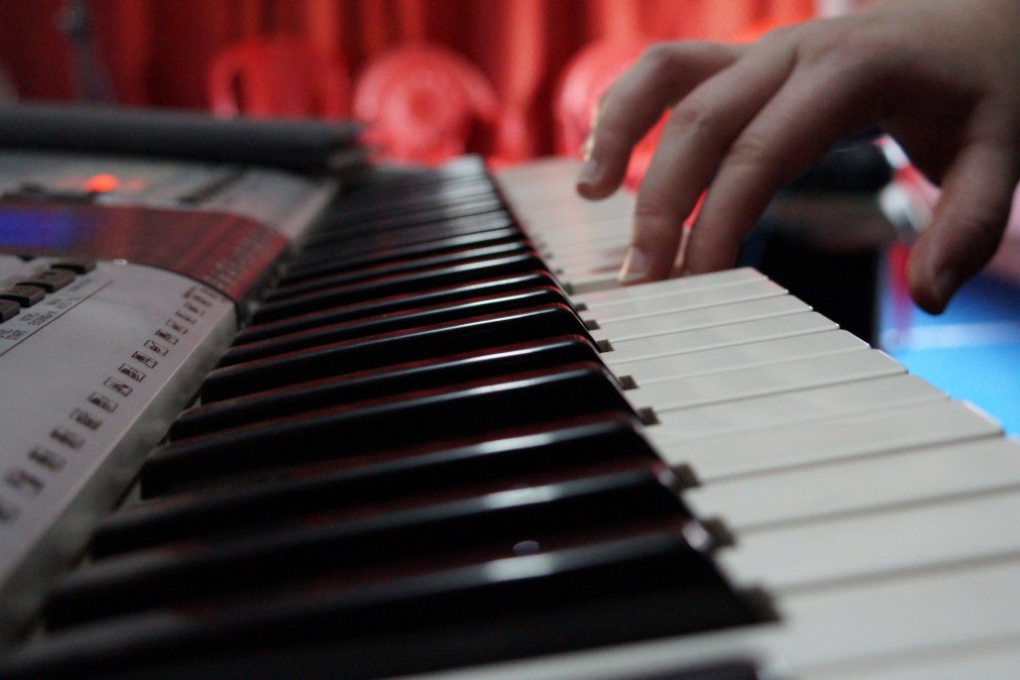
Anton Webern was a composer from Austria who made a big impact despite writing very short pieces. His music might sound different from what we usually hear because it’s very precise and carefully planned. Webern used a special method called the twelve-tone technique, where all 12 notes are treated equally instead of having a main melody. Although his pieces are brief, they carry a lot of feeling and depth.
The Klavierstück — A Tiny Masterpiece
One of Webern’s famous works is the Klavierstück, which means “piano piece” in German. Even though it’s a short composition, it has a unique charm. The music is quiet and thoughtful and gives each note room to stand out. It doesn’t follow traditional melodies, but its beauty lies in how each sound fits perfectly in the silence around it. This piece was written exactly 100 years ago but still sounds fresh and modern.
My Approach to the Piece
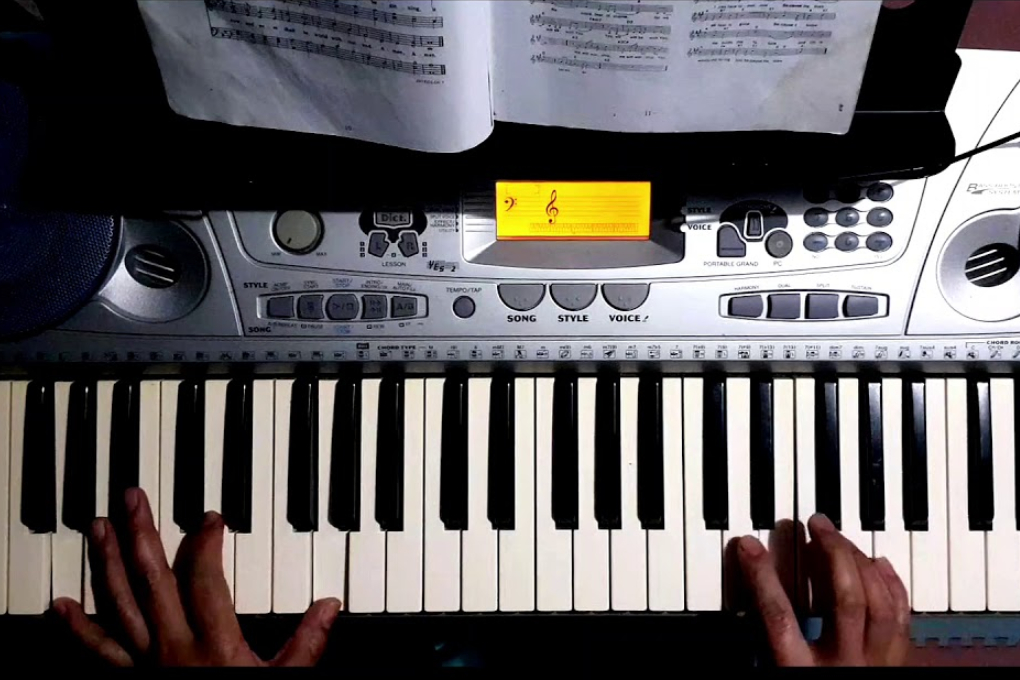
When I performed the Klavierstück, I wanted to respect Webern’s original vision. I played every note exactly as he wrote it, paying close attention to the pauses and dynamics. But I also decided to bring something new to the table — a gentle layer of electronic sounds in the background.
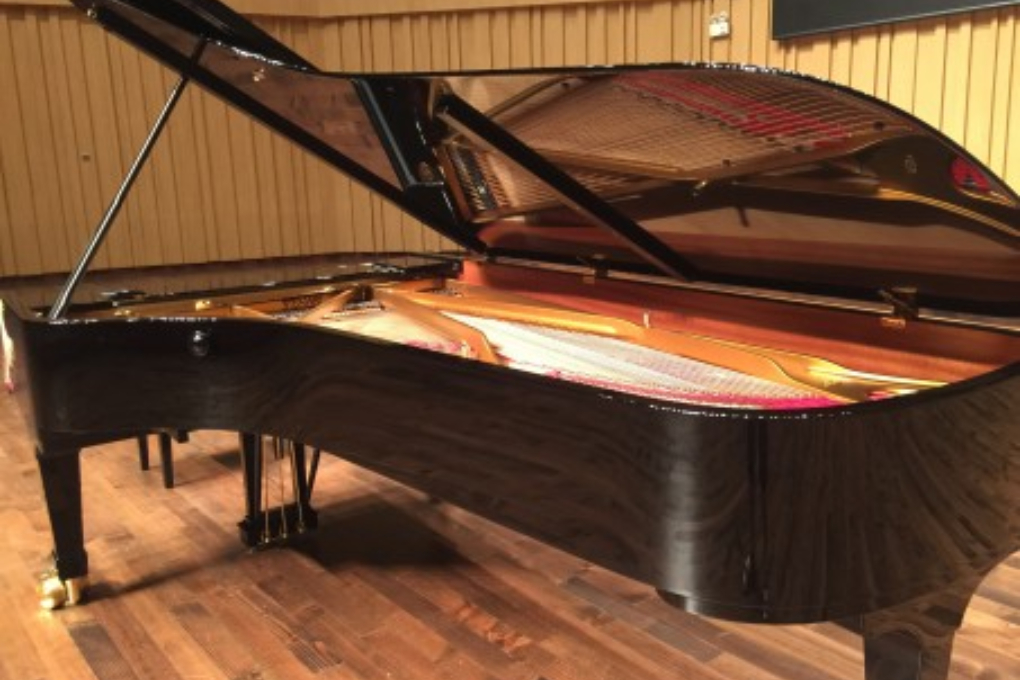
Using a synthesizer, I created soft, drifting sounds that move slowly and unpredictably. These sounds come alive through a technique called Low Frequency Oscillators, or LFOs, which make the electronics flow and shift subtly. This adds a delicate texture that contrasts nicely with the strict and clear piano notes.
Why Combine Piano with Electronics?

Adding electronic sounds wasn’t just for effect. It gave the piece a new feeling, mixing the structured, logical side of Webern’s music with something more fluid and natural. The piano represents order and precision, while the synthesizer brings in a sense of movement and unpredictability. Together, they create a conversation between the old and the new, between control and chance.
Bringing Together Past and Present
This performance is more than just playing a classical piece. It’s about connecting two different worlds. Webern’s music is full of careful design, while the electronic sounds feel spontaneous and alive. By combining them, I wanted to show how traditional music and modern technology can coexist and even enhance each other.
Playing Webern’s Klavierstück with both piano and electronics is my way of honoring the past while exploring new possibilities. Even though the piece is short, it carries deep emotions and ideas. It reminds us that music doesn’t need to be loud or complicated to be meaningful. After 100 years, Webern’s work still speaks to us — especially when we listen with fresh ears and an open heart.