
Reggae music is more than just songs—it’s a way of showing culture, history, and feelings. With its steady beats and soulful tunes, reggae has touched people’s hearts all around the world. From the beaches of Jamaica to busy cities everywhere, this music speaks to people from all walks of life.
In this journey, we’ll explore how reggae began, how African and Caribbean roots shaped its style, and how it developed into something powerful. We’ll look at the artists who made it famous and see how reggae has been used to fight for change. Let’s dive into this cosmic journey through reggae—where every beat tells a story!
The Influence of African and Caribbean Culture on Reggae
Reggae is like a colorful quilt stitched together from African and Caribbean traditions. Long ago, enslaved Africans brought their music, and over time it mixed with local sounds in Jamaica.
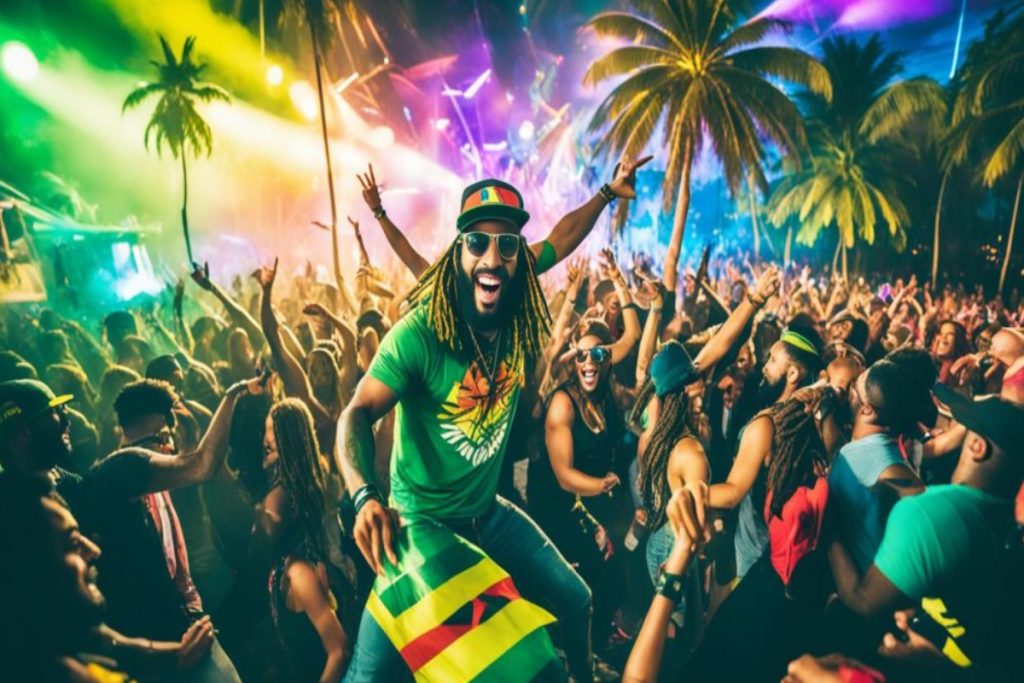
Drums are very important in reggae. African beats gave reggae its heart, while Caribbean music like calypso and ska added energy and bounce. The offbeat rhythms in reggae come from these roots and connect people across generations.
Language also plays a big role. Jamaican Patois, shaped by African languages, gives reggae its voice. It’s used to share stories and talk about social issues.
Spirituality makes the music even deeper. Rastafarian beliefs, focused on unity and standing up to oppression, are often at the core of reggae songs. This gives the music meaning that goes beyond entertainment—it speaks to people’s struggles and hopes.
Notable Artists and Songs in Reggae History
Many amazing artists shaped reggae. The most famous is Bob Marley, with songs like One Love and No Woman, No Cry. His music spread messages of peace and unity across the world.
Peter Tosh was another key voice, known for pushing for justice with songs like Legalize It. Jimmy Cliff, through songs like The Harder They Come, brought reggae into films and shared it with new audiences.
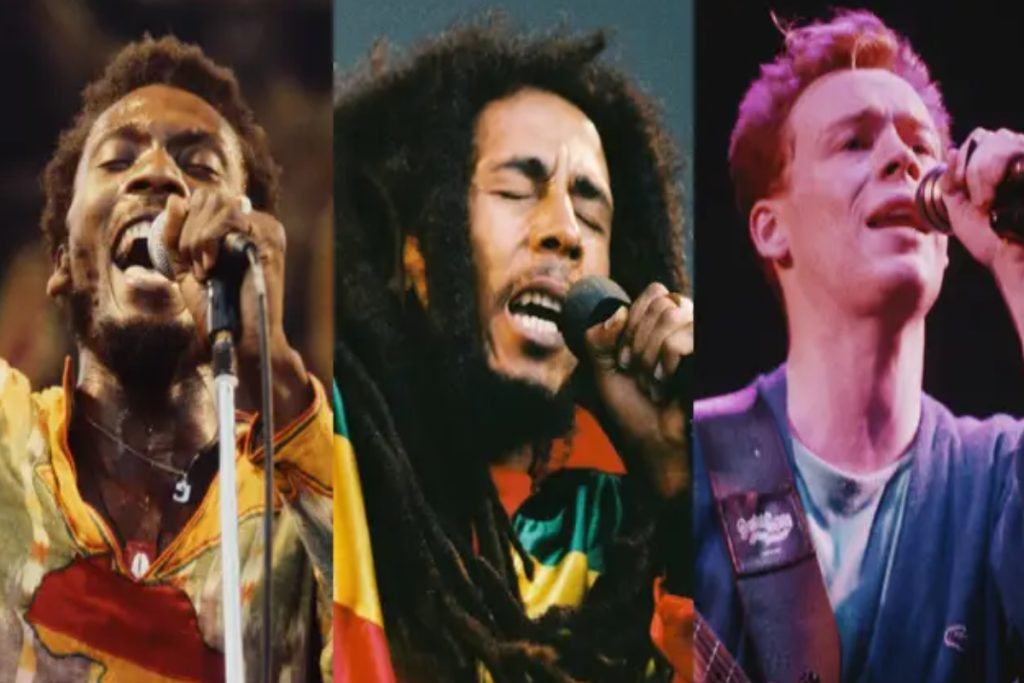
Don Carlos added softer, melodic songs about love and spirituality. Together, these artists helped reggae grow into a powerful and lasting force in music. Their work still inspires both new and old musicians today.
The Impact of Reggae on Society and Politics
Reggae is not just for fun—it’s also a voice for change. Many songs talk about fighting poverty, inequality, and unfair treatment.
Bob Marley and others used music to speak out against injustice and to inspire people to stand up for their rights. In Jamaica, reggae became closely tied to politics, often pushing leaders and communities to face real problems.
Beyond Jamaica, reggae’s message spread worldwide. People everywhere found hope in its calls for peace, freedom, and unity. Even today, reggae continues to bring people together and inspire action.
Modern Evolution of Reggae Music
Reggae has changed a lot over the years. Today’s artists mix old reggae sounds with hip-hop, pop, and even electronic music. This keeps reggae fresh and exciting for new listeners everywhere.
Streaming platforms like YouTube and Spotify have made it easier for reggae to reach fans around the world. Festivals also keep the culture alive, celebrating both famous stars and new talent.
Even as reggae changes, it still carries its core values: peace, love, and social justice. Each beat carries history while pointing toward the future. The next chapter of reggae may look different, but it will always stay true to its spirit.