

Tomato yield is an important statistic that reflects the productivity of a tomato field. The higher the tomato yield, the higher the quality of the fruit. Tomato yields can be affected by a number of factors, such as soil type, irrigation, and weather conditions. There are several different ways to get the best tomato yield. Some of them are spacing and watering, and others are using sprays on the leaves. Whether you are a newcomer or an old hand, it’s always helpful to know what the different tips are for getting the most tomatoes possible.
Watering
Watering tomatoes is an art. There are many factors that affect your watering needs. For instance, your soil type, temperature, and humidity all play a role.
The number one factor to remember when watering tomato plants is to keep the soil consistently damp. This is especially important during the growing season. If the soil is not evenly moist, the plant will be stressed. It will also produce less fruit.

Soil moisture should be checked on a regular basis. Ideally, you should water at least two inches deep into the soil. However, that doesn’t mean that you can’t be generous with your watering.
One of the easiest ways to ensure that your tomato plants are well watered is to install a soaker hose. A soaker hose allows you to water all of the plants in your garden at once.
Fertilizing
Tomatoes are heavy feeders and need plenty of nutrients to produce an abundant harvest. The best fertilizer for tomatoes includes micronutrients, such as nitrogen, potassium, and phosphorus. They also need calcium, which is important for fruit development.
Nitrogen is necessary for leaf growth, while phosphorus helps develop the root system and promote fruit development. Having the right ratio of these three nutrients is essential to a successful tomato crop.
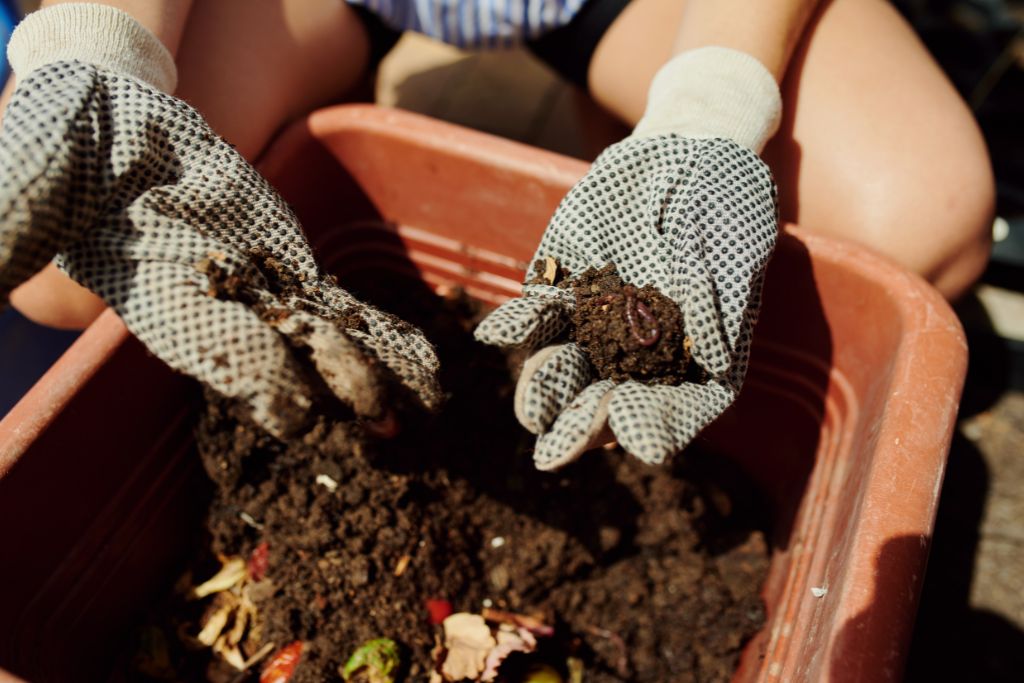
The best fertilizer for tomatoes is one that contains all three nutrients, along with secondary trace elements. Generally speaking, a balanced formula is a good choice, as it contains equal amounts of nitrogen, phosphorus, and potassium.
One way to make sure you are getting the right amount of each nutrient is to perform a soil analysis. This will help you understand how much each nutrient is needed for your plant.
Spacing
Tomato plants require a certain amount of space to grow properly. There are many factors that can affect the space needed, and you need to decide on the right amount for your particular tomato plant.
The amount of space required to grow tomatoes will vary according to the type of variety you want to plant, your climate, and how much room you have available. However, there are a few basic guidelines that will help you decide on the proper spacing for your tomatoes.
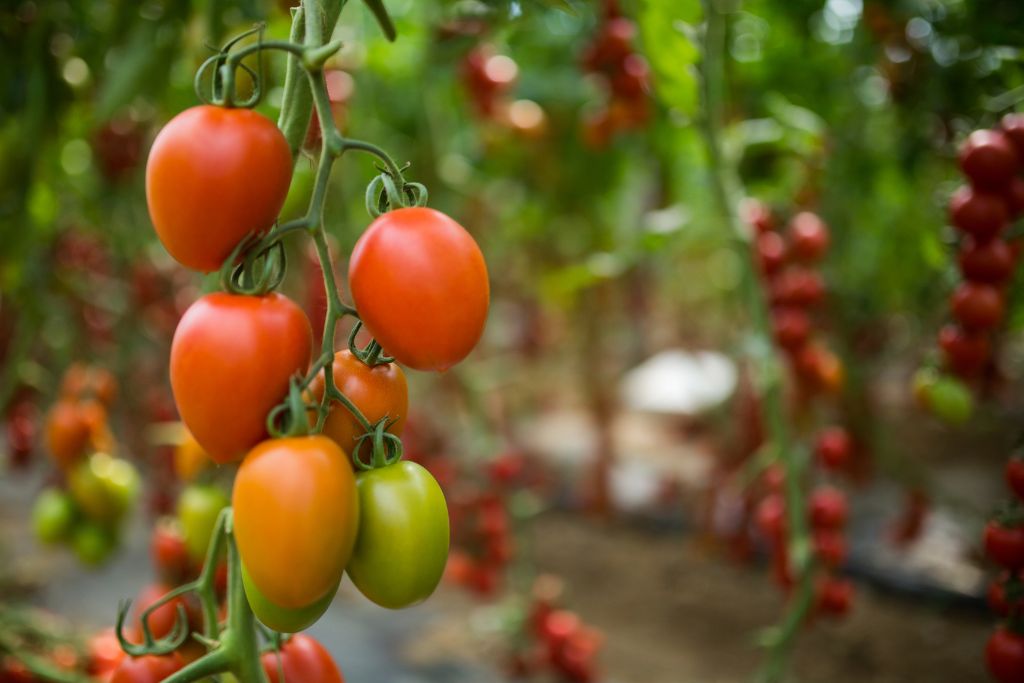
Spaced tomato plants are less likely to become crowded, and you’ll have more healthy and disease-free tomatoes. It also increases the airflow around the plants. This allows for a higher yield and prevents the growth of fungi, pests, and other unwanted plants.
Pests and diseases
Achieving the best tomato yield requires accurate identification and control of pests and diseases. An outbreak of a disease can have a severe impact on production, quality, and yield.
There are a number of different types of pests and diseases that can attack tomatoes. They include insects and fungi. Some are beneficial, while others can cause damage.
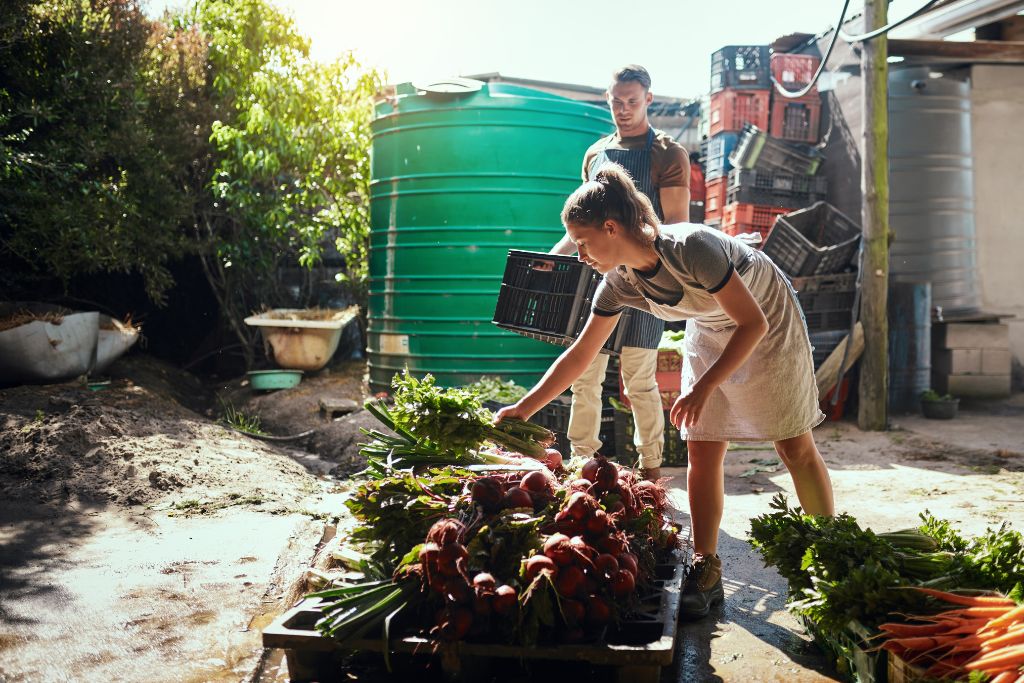
The bacterial wilt pathogen can cause devastating diseases in fields and greenhouse tomatoes. It can be spread by wind, water splashing, pruning, and workers’ hands.
Another common foliar disease is Fulvia fulva. Spores can be spread by rain, wind, and insects. This disease affects all plants, not just tomatoes.
Septoria leaf spot is another fungus that causes a blemish on the leaves of tomato plants. Rain and dew can also spread the pathogen. This disease affects the foliage and reduces the fruit’s ability to ripen.
Foliar sprays
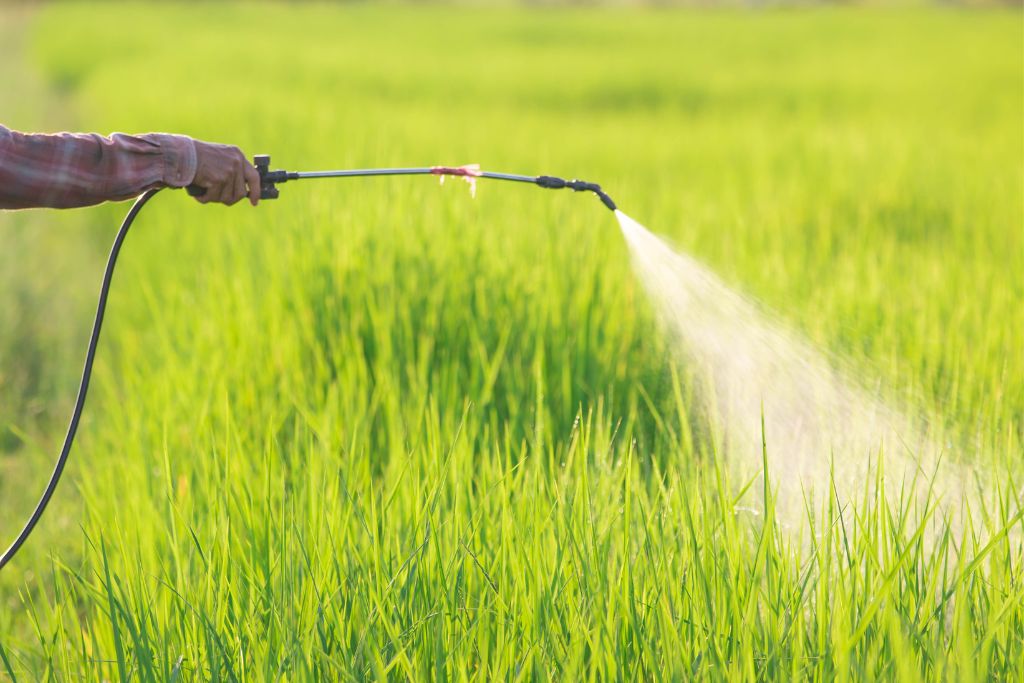
Foliar sprays can be used to enhance the quality of your tomatoes. They can improve fruit sets, increase the diameter and weight of the fruits, and also improve vegetative growth.
One of the best tools in the toolbox is the foliar application of micronutrients. This can help you achieve a rapid response to the nutrient needs of your tomato plant. The benefits of this technique include a boost in the overall vegetative growth of the plant, an increased number of flowers and fruits, and decreased toxicity in the roots.
Another way to help your tomato plants is by introducing organic fertilizers into the soil. One of the best is cottonseed meal, which breaks down into humus and contains nitrogen and potassium. You can also amend the planting hole and cultivate the surrounding soil.